AC Repair
When an air conditioner stops cooling, technicians first check thermostat signals, then measure suction and discharge pressures to locate low refrigerant, dirty coils, or a failing compressor.
HVAC · the USA
USA HVAC Pros sends technicians across the USA to perform HVAC Repair on air conditioning, heating, and ventilation systems so they return to proper operation.
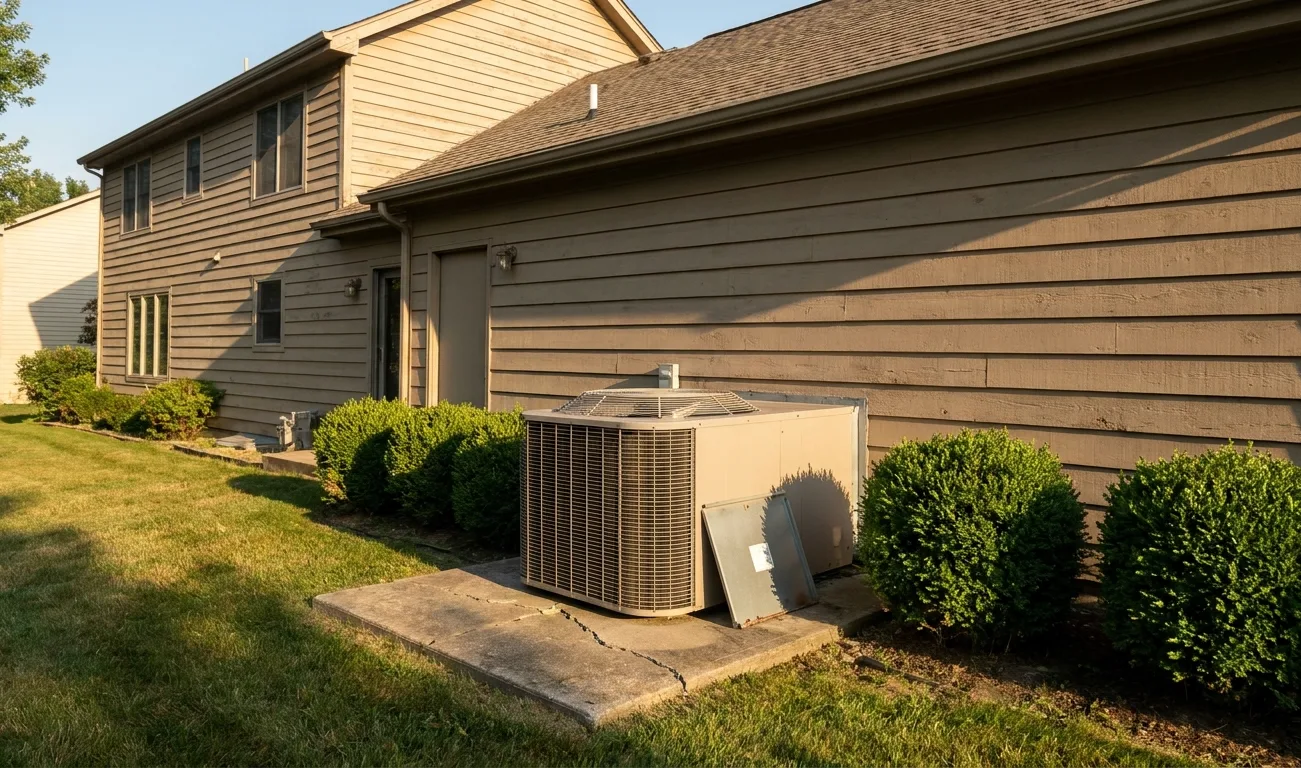
Technicians measure voltage, amperage, and refrigerant levels to identify which part has failed before any replacement.
Technicians pressurize lines and apply solution to joints so small refrigerant or combustion leaks become visible.
Technicians read static pressure across the coil and filter to confirm whether restricted flow is causing the complaint.
Our technicians address the full range of heating and cooling equipment found in homes and rental properties. Each service focuses on the symptoms reported, the mechanical cause, and the steps required to restore function.
When an air conditioner stops cooling, technicians first check thermostat signals, then measure suction and discharge pressures to locate low refrigerant, dirty coils, or a failing compressor.
No heat calls usually trace to ignition failure, limit switch trips, or blower motor issues. Technicians test safety circuits and combustion before replacing any part.
Technicians verify reversing valve operation, defrost control function, and auxiliary heat strips when a heat pump fails to switch modes or maintain temperature.
Loose joints or crushed sections reduce airflow and create hot or cold spots. Technicians seal connections and replace damaged runs to restore balanced distribution.
Technicians mount the new control, match wiring to the existing system, and confirm that heating and cooling stages energize correctly after power-up.
Technicians clean coils, check refrigerant charge, lubricate motors, and test safety switches so the system continues to operate within design tolerances.
Technicians measure humidity levels, inspect filter condition, and evaluate ventilation paths when occupants report odors or uneven air quality.
Technicians size the new unit to the home load, set the proper refrigerant charge, and verify that supply and return ducts match the equipment capacity.
Homeowners usually notice the first signs through temperature swings, unusual noises, or higher energy use. A compressor that short-cycles often points to low refrigerant or a dirty evaporator coil. An ignition failure on a furnace shows up as repeated clicking without flame. Technicians ask about these symptoms first so they can narrow the search before opening panels.
Before the technician arrives, turn the thermostat to off and check the circuit breaker panel for tripped switches. Replace a visibly dirty filter if one is accessible. Avoid resetting breakers multiple times because repeated attempts can damage motors. Note the age of the equipment and any recent changes in operation so the technician has a clear starting point.
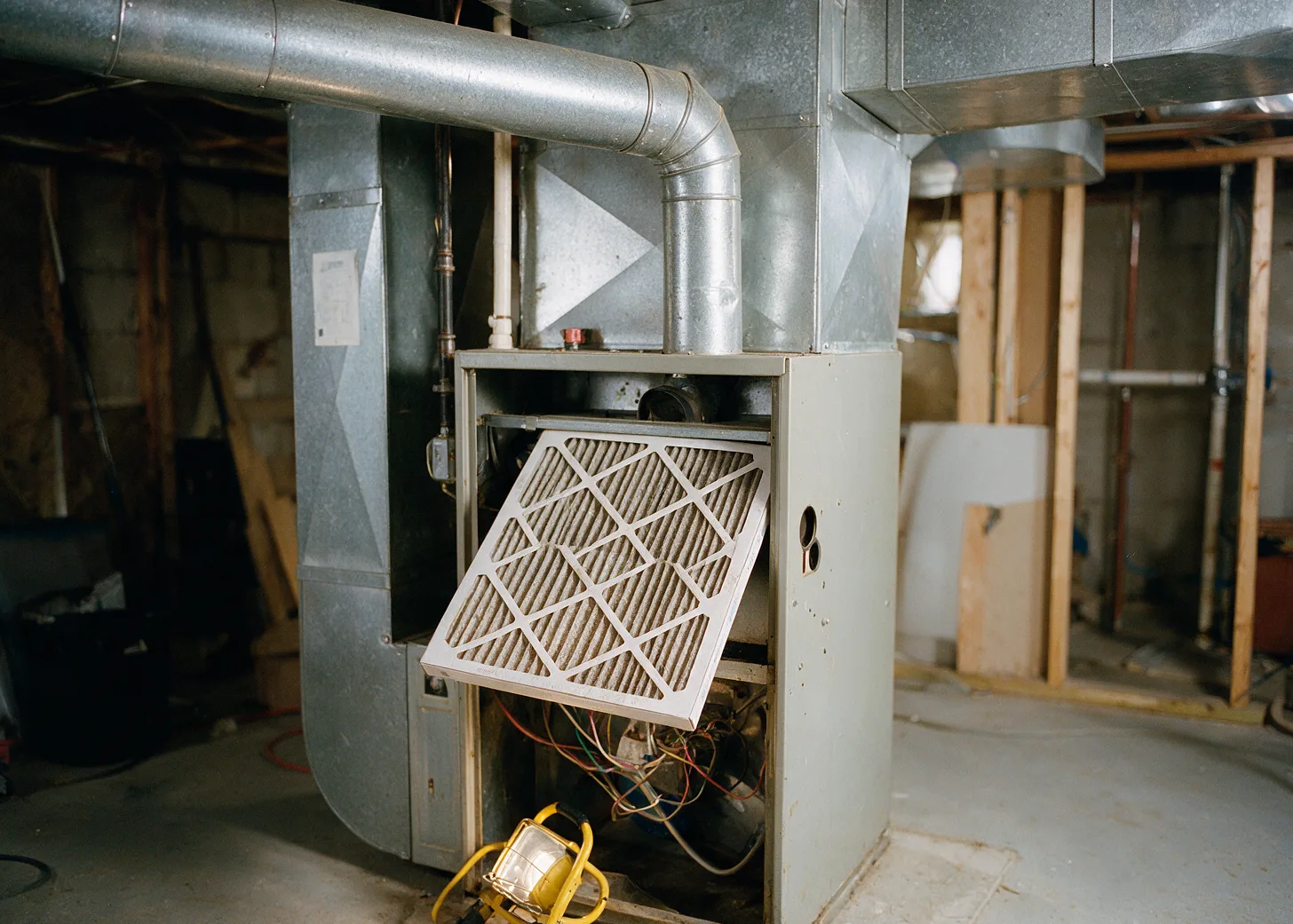
USA HVAC Pros follows a consistent sequence so every HVAC Repair receives the same diagnostic steps regardless of equipment type or location.
The technician asks about the symptoms observed, the age of the equipment, and any recent changes in operation before touching controls.
Panels are removed and wiring, capacitors, and contactors are tested for proper voltage and amperage draw under load.
Refrigerant pressures, temperature splits, and combustion readings are taken to confirm which component is outside normal operating range.
The faulty part is replaced or adjusted, then the system is run through a full cycle to confirm temperatures and pressures return to specification.
The technician begins with visual inspection of the equipment and its surroundings. Next comes electrical testing at contactors, capacitors, and control boards. Refrigerant pressures and temperature splits across the coil follow. Only after these readings are recorded does the technician open the system for component replacement or adjustment.
Technicians compare the cost of the needed part and labor against the age and condition of the rest of the unit. A ten-year-old compressor that also shows corrosion on the coil usually leads to replacement discussion. When the cabinet and blower remain solid, a single motor or valve replacement often makes sense. Homeowners receive the measurements that support each option.
The final price depends on the specific component that failed, the time required to access it, and whether refrigerant or other consumables are needed. A motor that requires removal of the blower assembly takes longer than a capacitor located behind the access panel. Older systems sometimes need additional fittings or adapters that add to parts cost. The technician records all measurements and explains which items affect the total before any work begins.
Older homes often have undersized returns or non-standard duct connections that limit airflow. Technicians measure static pressure to show the restriction before proposing changes. Rental properties require clear documentation of the existing equipment condition so the owner can decide on repairs. In both cases the technician records model numbers and observed defects for the property records.
Warm air usually means the compressor is not running or the refrigerant charge is low. Technicians check the contactor first, then measure pressures to see whether a leak or a failed component is the cause.
Short-cycling often traces to a dirty filter restricting airflow, a tripped limit switch, or a failing thermostat. The technician measures temperature rise across the heat exchanger to confirm the exact trigger.
Ice that remains on the outdoor coil after the cycle ends points to a defrost control or sensor problem. Technicians force a defrost and watch coil temperature to verify the board is sending the signal.
Yes. Leaks in the return or supply allow conditioned air to escape into attics or crawl spaces. Technicians use pressure testing to locate the joints that need sealing.
Older mechanical thermostats lose calibration over time and no longer maintain the set point accurately. A new digital model provides tighter control and can stage equipment correctly.
Regular cleaning and testing catch worn capacitors, low refrigerant, and dirty coils before they cause a no-cool or no-heat call. The technician logs each reading so trends become visible over time.
Contact USA HVAC Pros to have a technician diagnose and correct the heating or cooling issue at your property.