About USA HVAC Pros
USA HVAC Pros receives calls describing heating or cooling problems such as uneven temperatures or unusual sounds from the unit. Technicians ask about recent changes in performance and any error codes visible on the thermostat. They arrive with tools to test pressures, electrical connections, and airflow. After identifying the cause, they present findings and complete the needed work before leaving the space clean.
Questions about a job? Start on the USA HVAC Pros homepage or call (888) 206-4280.
Symptom First Checks
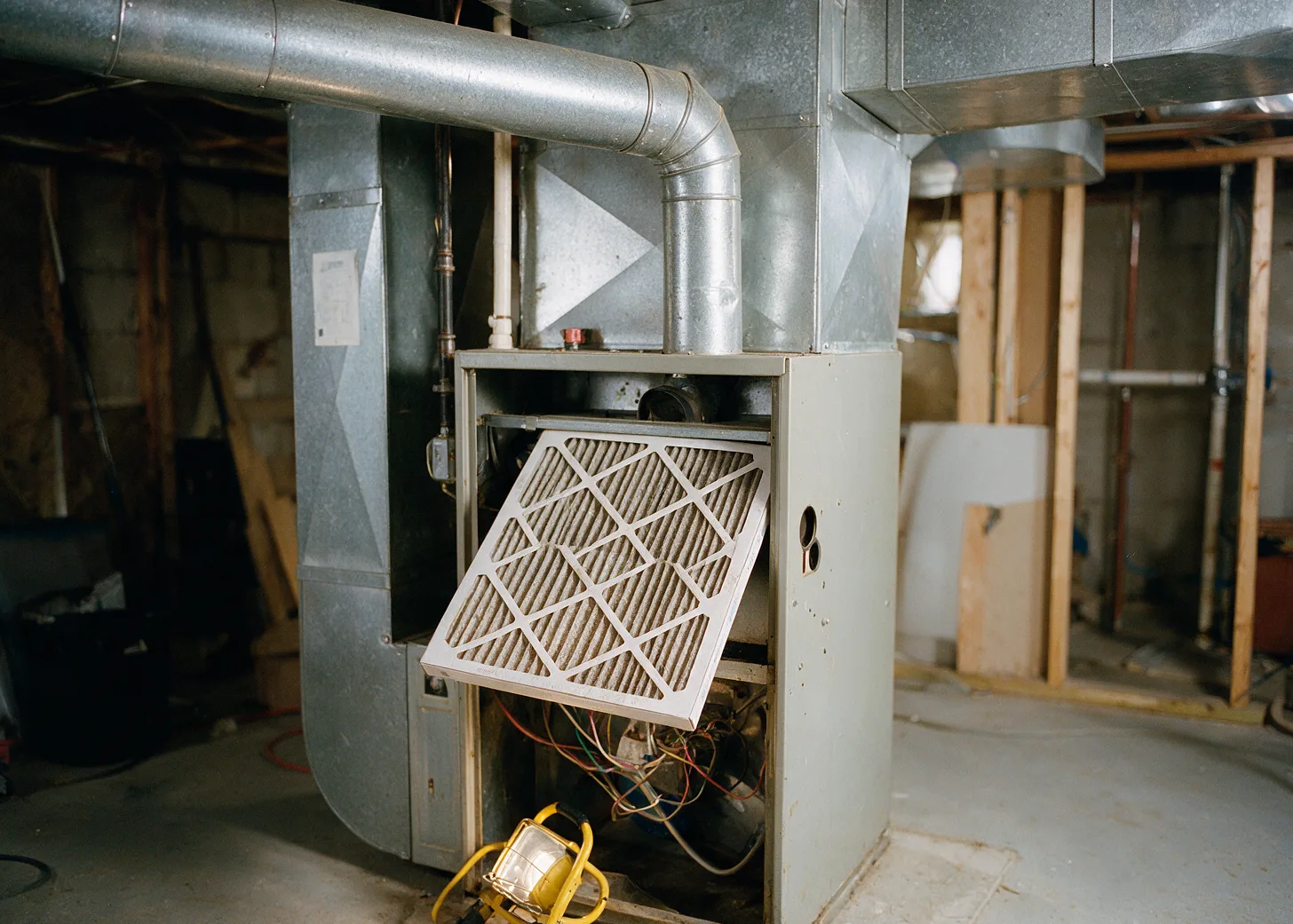
Technicians measure pressures, temperatures, and amperage before deciding on part replacement or cleaning.
Clear Cause Explanation
Findings are described using the actual readings taken so homeowners understand the root issue.
Clean Work Finish
Panels, insulation, and floor areas are returned to original condition after every repair.
Basic Homeowner Steps
Simple checks like filter changes or breaker resets are explained before any service visit.
Taking Service Requests
When a call comes in about an air conditioner that runs without cooling, the representative notes the age of the equipment and any recent maintenance performed by the homeowner. They ask whether the filter was changed lately or if the outdoor unit shows visible debris buildup. This information helps prepare the right diagnostic steps before a technician travels to the property.
Homeowners are guided to check basic items such as thermostat batteries or circuit breakers that might have tripped. Technicians are dispatched once the symptoms are recorded so they bring gauges or replacement parts that match the described issue. The process avoids unnecessary trips by matching tools to the reported problem from the start.
Performing Onsite Inspections
At the property the technician starts at the thermostat to confirm settings and then moves to the indoor unit to measure temperature differential across the coil. Low airflow often points to a clogged filter or collapsed duct section while high pressure readings may indicate a failing compressor valve.
Outdoor condensers are checked for bent fins that restrict heat transfer and for proper fan motor amperage. Refrigerant lines are examined for oil stains that signal a leak. These measurements give a clear picture of whether the problem stems from electrical, mechanical, or airflow faults.
Discussing Repair Options
After testing the technician explains the readings in plain terms, such as a worn contactor causing the unit to short cycle or a leaking evaporator coil losing refrigerant. The homeowner learns how each fault affects energy use and comfort without vague statements.
Options are presented based on the age of the system and the cost of parts versus full replacement. A technician might note that cleaning the coil and replacing a capacitor often restores capacity when the compressor still meets specification. The discussion stays limited to the measured conditions.
Restoring the Space
Panels are replaced with all screws secured and insulation returned to its original position around the duct connections. Tools and removed parts are collected so nothing remains on the floor or near the equipment.
The system is run through a full cycle to confirm the temperature split and pressure readings match expected values. Any homeowner steps such as resetting the thermostat schedule are noted before departure. The work area is left as it was found.