
AC Repair in the USA
AC units lose cooling capacity when refrigerant levels drop or when electrical components fail to start the compressor. Homeowners first shut off the thermostat and check the air filter for heavy dirt buildup that restricts airflow. If the filter is clean yet the air from vents stays warm, the next step is to verify that the outdoor condenser fan spins and that no breakers have tripped at the main panel.
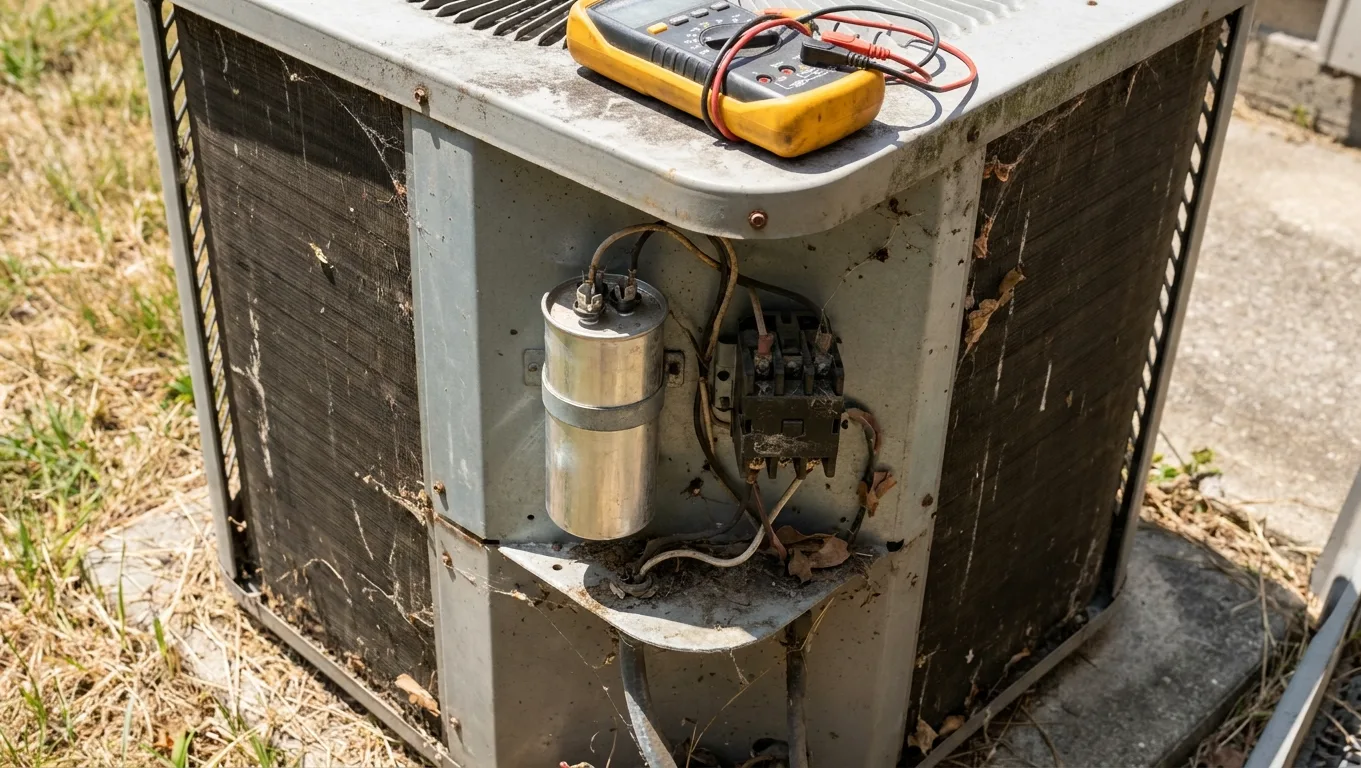
USA HVAC Pros sends technicians who measure static pressure across the evaporator coil, check superheat and subcooling values with gauges, and inspect the run capacitor with a multimeter. These readings show whether the system is low on charge, has a failing start component, or needs a new contactor before any parts are ordered or replaced. Homeowners across the USA turn to USA HVAC Pros when ac repair issues arise at our homepage.
Common Warning Signs
- Warm air comes from supply vents during cooling mode
- Unit turns on but shuts off after only a few minutes
- Ice forms on the copper lines or inside the indoor cabinet
- Loud buzzing or humming starts when the compressor tries to run
- High humidity remains inside even though the fan is blowing
Typical Causes Found During Service
A pinhole leak in the evaporator coil lets refrigerant escape slowly until the system can no longer absorb enough heat. Technicians locate the leak with nitrogen pressure testing or electronic detectors before deciding whether to repair the coil or replace it entirely.
Start capacitors weaken from heat cycles and voltage spikes. When the capacitor drops below its rated microfarad value the compressor draws locked-rotor amps and the breaker trips. Replacement with the correct MFD rating and voltage restores normal starting torque.
Dirty condenser coils raise head pressure until the compressor overheats and safety switches open. Technicians clean the fins with a foaming coil cleaner and straighten bent fins so air can pass freely and pressures return to factory specifications.
Measurements Taken on Site
Supply and return air temperatures are recorded to calculate delta T. A reading below 15 degrees Fahrenheit usually points to low airflow or low refrigerant charge while a reading above 20 degrees may indicate an oversized unit or dirty evaporator.
Voltage is checked at the disconnect and at the contactor while the compressor runs. A drop greater than 10 percent under load signals undersized wiring or a failing breaker that must be corrected before new components are installed.
Amp draw on the compressor and condenser fan motor is compared to the nameplate values. Higher than rated amps often trace back to a failing capacitor or restricted airflow that must be corrected to prevent motor burnout.
Repair and Part Replacement Options
When a contactor pits and welds shut, technicians replace it with a new 40-amp double-pole model rated for the locked-rotor amps of the compressor. The new contactor prevents continuous voltage to the windings once the thermostat opens.
Evaporator coils with multiple leaks are replaced rather than patched because refrigerant compatibility and pressure ratings must match the existing metering device. New coils come with factory nitrogen holding charge and are brazed with silver content rod.
TXV or fixed orifice metering devices are inspected for debris. A stuck TXV is replaced as an assembly so the sensing bulb remains properly attached and superheat can be adjusted once the system is recharged to the correct weight.
Steps Before the Technician Arrives
Turn the thermostat to off and the system switch to fan only. This stops the compressor while allowing the blower to run and helps melt any ice that has formed on the coil without risking water damage to ceilings.
Remove and inspect the indoor filter. If it is clogged, replace it with the same size and MERV rating listed on the unit. A clean filter improves airflow immediately and gives technicians a baseline for further diagnostics.
Clear leaves and grass clippings from around the outdoor condenser so at least two feet of clearance exists on all sides. Good airflow through the coil lowers head pressure and lets the system run longer before safety limits shut it down.
AC Repair questions
Why does my AC short cycle?
Short cycling often results from a failing capacitor, dirty air filter, or low refrigerant. Our technicians measure run times and electrical values to isolate the cause before replacing the part that prevents normal operation.
Can low refrigerant be topped off without finding the leak?
Adding refrigerant without locating the leak violates EPA rules and the system will lose charge again. USA HVAC Pros pressure tests the circuit, repairs the leak, then recharges to the exact factory weight listed on the unit data plate.
What does a failed run capacitor do to the compressor?
A weak capacitor forces the compressor to draw excessive amps on startup. The motor overheats and internal windings can burn out. Replacing the capacitor with the correct rating restores proper starting current and protects the compressor.
Should the outdoor unit be cleaned every season?
Condenser coils collect pollen, dust, and grass clippings that raise head pressure. Annual cleaning with a non-acidic coil cleaner restores heat transfer and keeps the compressor from running hotter than design limits.
Schedule AC Repair
Contact USA HVAC Pros for AC Repair when cooling performance drops or unusual noises appear.